

Introduction to the Spiritual Heart of India
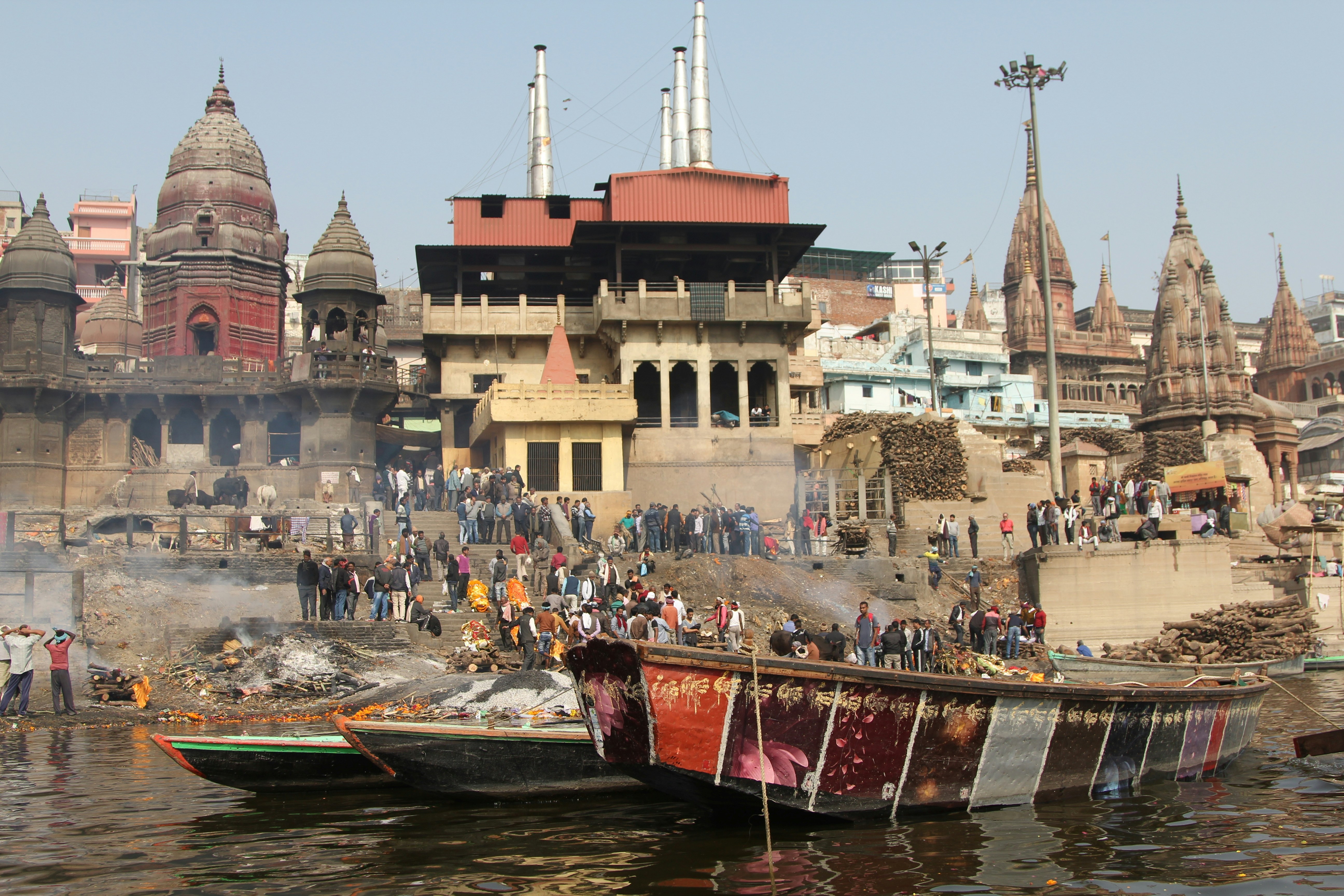
The concept of the “Spiritual Heart of India” encapsulates a collection of sacred sites that are pivotal to spiritual seekers and pilgrims from around the world. This region is revered for its profound cultural heritage, rich traditions, and a pantheon of spiritual landmarks that embody the essence of Indian spirituality. Known for its mesmerizing diversity, the spiritual heart encompasses cities like Varanasi, Rishikesh, and Haridwar, each offering unique experiences that resonate with the devotees and seekers alike.
Pilgrimages in India are not just mere travel excursions but profound journeys of self-discovery and spiritual awakening. A pilgrimage typically involves visiting holy places, participating in rituals, and reflecting on one’s faith. These journeys provide an opportunity to step away from the chaos of daily life, allowing individuals to connect with their inner selves, experience inner peace, and embrace a deeper understanding of spirituality.
The transformative potential of a pilgrimage to the spiritual heart of India lies in the diverse experiences it offers. For instance, witnessing the Ganga Aarti at Dashashwamedh Ghat in Varanasi can elicit powerful emotions and foster a sense of community among worshippers. Similarly, the tranquil atmosphere of Rishikesh, often dubbed the ‘Yoga Capital of the World’, invites pilgrims to engage in meditation and healing practices, ultimately leading to personal enlightenment. Each destination within the spiritual heart is imbued with its own significance, attracting thousands of visitors who embark on this sacred journey seeking healing, clarity, and inspiration.
Choosing Your Dates: Timing Your Trip
When planning a pilgrimage to the spiritual heart of India, selecting the right dates for your journey is crucial to maximizing your experience. Different seasons and festivals can significantly impact your visit, making it essential to consider these factors while finalizing your travel plans.
The ideal time to embark on a pilgrimage is typically during the cooler months, from October to March. During this period, the weather is more comfortable, making it easier to navigate the holy sites and participate in spiritual activities. Additionally, many important festivals occur in these months, including Diwali and Holi, which can provide a unique insight into the spiritual and cultural practices of the region.
It is also worth noting that the timing of your pilgrimage can greatly influence the crowd sizes you encounter. Major festivals and religious events tend to draw large numbers of pilgrims and tourists, which may lead to congestion at temples and other attractions. Therefore, for a more tranquil experience, consider planning your visit during off-peak times, such as in late September or between late February and early March, when fewer visitors are present.
Moreover, be mindful of local climates and conditions. The monsoon season, which lasts from June to September, may present challenges due to heavy rainfall and potential flooding in certain areas. While this season is less crowded, it is advisable to prepare accordingly if your pilgrimage occurs during this time.
In conclusion, choosing dates for your pilgrimage is not merely a logistical decision but a significant factor that can enhance your spiritual journey. By considering weather patterns, festival dates, and peak tourist seasons, you can better align your visit with your personal expectations and experiences, ensuring a meaningful and hassle-free pilgrimage to India’s spiritual core.
Understanding Local Transport Options
When planning a pilgrimage to the spiritual heart of India, understanding the local transport options is crucial for a smooth and hassle-free journey. The main modes of transport available include buses, taxis, and auto-rickshaws, each catering to different needs and budgets.
Buses are an economical choice for pilgrims, offering extensive routes covering major pilgrimage sites. State-run buses are reliable and frequent, while private operators may provide additional comfort. Prices for bus tickets can range from as low as INR 50 to INR 300, depending on the distance and type of bus services selected. Booking can often be done online or at local bus stands, making it straightforward for travelers.
Taxis are another feasible means of local travel. Options such as traditional cabs or app-based ride services like Uber and Ola provide convenience, especially for those traveling in groups or with luggage. Taxi fares can vary significantly based on the distance, but average rates start at around INR 10 per kilometer. It is advisable to negotiate fares or use app-based services to ensure fair pricing.
Auto-rickshaws, known locally as tuk-tuks, are popular for short distances. They are easily accessible and provide a unique experience of the local environment. Fares typically commence around INR 20, but it is essential to confirm pricing before starting your journey. Make sure to avoid peak hours, as local traffic congestion can substantially increase travel time. With thorough understanding and planning regarding transportation, pilgrims can enhance their experience without unnecessary delays, allowing for a focused and enriching spiritual pilgrimage.
Creating a Well-Structured Itinerary
When planning a pilgrimage, particularly to the spiritual heart of India, creating a well-structured itinerary is essential for optimizing the experience. A balanced itinerary not only enhances the spiritual journey but also allows for deeper reflection and engagement at each site visited. Begin by researching significant spiritual locations such as Varanasi, Rishikesh, and Bodh Gaya. These places are renowned for their rich historical and cultural backgrounds, offering profound insights into the mystical heritage of India.
Next, allocate an appropriate duration for each location. Ideally, one should spend at least 2-3 days in Varanasi, where observing the Ganges River rituals can provide introspective experience. Rishikesh may require a similar timeframe due to its serene ashrams and yoga centers that facilitate spiritual growth. Bodh Gaya, the site of Buddha’s enlightenment, should also merit a few days for those wishing to participate in meditation and explore historical temples.
While it might be tempting to include a multitude of sites, prioritization is key. Focus on experiences that resonate personally or hold particular spiritual significance. Balance the itinerary with leisure days to absorb the surroundings and indulge in self-reflection. Consider the travel time between locations; that will also influence how much one can realistically cover without feeling rushed. A well-paced itinerary allows for moments of solitude and mindfulness during the pilgrimage.
In conclusion, crafting a thoughtful and balanced itinerary is essential for a fulfilling pilgrimage to India. By carefully selecting spiritual sites, allocating sufficient time, and allowing for reflection, one can enhance both the journey and the spiritual experience greatly. The pilgrimage will not only lead to external discoveries but also inspire significant internal transformations.
Budgeting for Your Pilgrimage
Embarking on a pilgrimage to the spiritual heart of India not only involves spiritual preparation but also requires meticulous budgeting. Understanding the potential expenses can significantly enhance your travel experience, allowing you to focus on the journey without financial worries. Pilgrimage costs generally include transportation, accommodation, food, and entry fees for various sites.
Transport options range from inexpensive local buses to rickshaws and trains, providing a wide spectrum to accommodate different budgets. If traveling within cities, public transport is often the most economical choice. For longer distances, booking train tickets in advance can help secure lower rates. It is advisable to consider travel passes that some states offer, as they often include multiple destinations at a discounted rate.
Accommodation can also vary greatly, from budget lodges and dharamshalas to mid-range hotels and spiritual ashrams. Many pilgrimage sites have affordable stays that don’t compromise on cleanliness and comfort. Booking in advance or opting for packages might yield better rates. Researching online reviews can provide insights into the best value-for-money options in each location.
Food expenses during a pilgrimage can be minimal if one opts for local eateries or vegetarian meals traditionally served at temples. Engaging with local cuisine not only saves money but can enhance the overall experience. Additionally, some temples offer free meals to pilgrims, which can be a significant advantage.
Entry fees, if applicable, are generally low across many spiritual sites, and it is essential to check if any discounts are available for students or seniors. Planning to experience free religious events or festivals can provide enriching experiences without any cost. Being mindful of your spending in these areas contributes towards a fulfilling and budget-friendly spiritual pilgrimage.
Choosing the Right Local Operator
Embarking on a pilgrimage in India, particularly to its spiritual heart, can be an enriching experience, and selecting the right local operator is crucial for ensuring a hassle-free journey. A reliable tour operator, such as Mahadev Tours, is equipped with in-depth knowledge of the region, enabling them to offer unique insights and experiences that might otherwise go unnoticed. Choosing a local operator can enhance your pilgrimage by providing organized tours and personalized services designed to meet your specific needs and preferences.
When selecting a local operator, consider factors such as reputation, reviews, and the range of services they offer. Reputable operators usually have a proven track record, demonstrated by positive testimonials from previous travelers. Reading reviews can provide valuable insight into the quality of service and experiences offered by the operator, ensuring that you make an informed choice. Furthermore, look for operators that specialize in pilgrimage tours, as they are likely to have well-established itineraries that include essential spiritual sites while also providing opportunities for deeper exploration and connection.
Another important aspect to consider is the level of personalization available. A trustworthy local operator should offer flexible options that cater to your interests, whether you seek spiritual guidance, historical context, or engaging cultural experiences. Additionally, they should prioritize customer service, being readily available to assist you with any questions or concerns throughout your journey.
Ultimately, choosing the right local operator can significantly enhance your pilgrimage experience, allowing you to engage more fully with the spiritual and cultural essence of India. By investing time in researching and selecting a reputable operator, you set the stage for a fulfilling and memorable journey to the spiritual heart of India.
Cultural Etiquette and Local Customs
When embarking on a pilgrimage to the spiritual heart of India, understanding cultural etiquette and local customs is essential for fostering respect and appreciation for the diverse communities you will encounter. As you visit sacred sites, it is critical to observe the behavioral norms expected in these spiritual environments. For instance, maintaining silence or speaking in hushed tones within temples and ashrams is a common practice that reflects reverence for the sacred space.
Furthermore, ensuring that your attire aligns with local dress codes is paramount. Modesty is valued in Indian culture, especially in religious contexts. For both men and women, wearing loose, comfortable clothing that covers the shoulders and knees is generally advisable. Women may also choose to wear a dupatta or scarf to cover their heads when entering particular temples. These practices signify respect not only for the place of worship but also for the local customs.
When interacting with members of the local communities, it is important to approach conversations with humility and openness. Understanding common greetings, such as “Namaste,” which involves pressing your palms together near your chest, can foster goodwill. Avoiding overly personal questions, especially concerning family or income, is advisable, as such topics may be considered intrusive. Additionally, asking for permission before taking photographs of individuals or sacred spaces reflects a recognition of their privacy and cultural significance.
Embracing local traditions, whether through dietary restrictions during fasting periods or participating in community festivals, is another way to honor the cultural fabric of the region. The balance between observing local customs and maintaining personal beliefs will enhance your pilgrimage experience and contribute to a deeper connection with the spiritual heart of India.
Safety Tips for Pilgrims
Embarking on a pilgrimage in India is a profound spiritual experience, but it is crucial to prioritize safety throughout the journey. Navigating unfamiliar territories and crowded environments can present certain risks; hence, adopting practical precautions can enhance the overall pilgrimage experience.
One of the first steps in ensuring safety is to keep personal belongings secure. Pilgrims should always use a reliable and secure bag that can be easily monitored. Items such as wallets, passports, and mobile devices should be stored in inner pockets or a money belt, minimizing the risk of theft. Additionally, it is advisable to carry a minimal amount of cash and to keep valuable items at home whenever possible.
When traversing busy areas, particularly in pilgrimage sites known for their large gatherings, remain vigilant. It is advisable to stay close to fellow pilgrims or travel in groups. This not only fosters a sense of community but also provides an added layer of safety. If a pilgrim inadvertently gets separated from the group, having pre-established meeting points can assist in reuniting everyone efficiently.
Traveling in unfamiliar areas necessitates prudence. It is wise to research the regions of interest beforehand, noting any safety advisories or local customs to be aware of. Pilgrims should avoid isolated paths, particularly at night, and opt for well-lit areas that are frequented by other travelers. Using reputable transportation services or pre-arranged vehicles is also recommended to ensure safe transit between destinations.
Lastly, maintaining a moderate level of health and hydration is essential during a pilgrimage. Pilgrims should stay alert to their physical condition and seek medical attention if necessary. By following these safety tips, pilgrims can enjoy a spiritually fulfilling journey while prioritizing their well-being.
Conclusion and Final Thoughts
Planning a pilgrimage to the spiritual heart of India is an endeavor that requires thoughtful consideration and meticulous preparation. As discussed throughout this blog post, several critical factors contribute to the success of this transformative journey. Understanding the cultural and religious significance of the locations, selecting the best time to travel, and ensuring you are aware of local customs are pivotal steps in your pilgrimage planning.
Moreover, organizing your travel logistics, such as transportation, accommodation, and dining, ensures a smooth experience during your spiritual quest. Effective planning not only minimizes unnecessary stress but also allows pilgrims to focus on the spiritual aspects of their journey. This focus on spirituality will enhance one’s connection to the divine and facilitate a deeper understanding of the rich traditions and practices in this region.
It is also important to approach your pilgrimage with an open heart and mind, ready to embrace new experiences and encounters with fellow travelers and locals. Reflecting on the teachings and philosophies you encounter can lead to personal growth and a renewed sense of purpose.
In conclusion, by approaching your pilgrimage to the spiritual heart of India with care and intent, you can create a meaningful and memorable experience. Whether seeking solace, guidance, or a deeper connection to your faith, a well-planned pilgrimage can serve as a profound turning point in your spiritual journey.
